SCFHS Mumaris Plus Registration: Step-by-Step Guide for Healthcare Professionals
Updated November 2, 2026
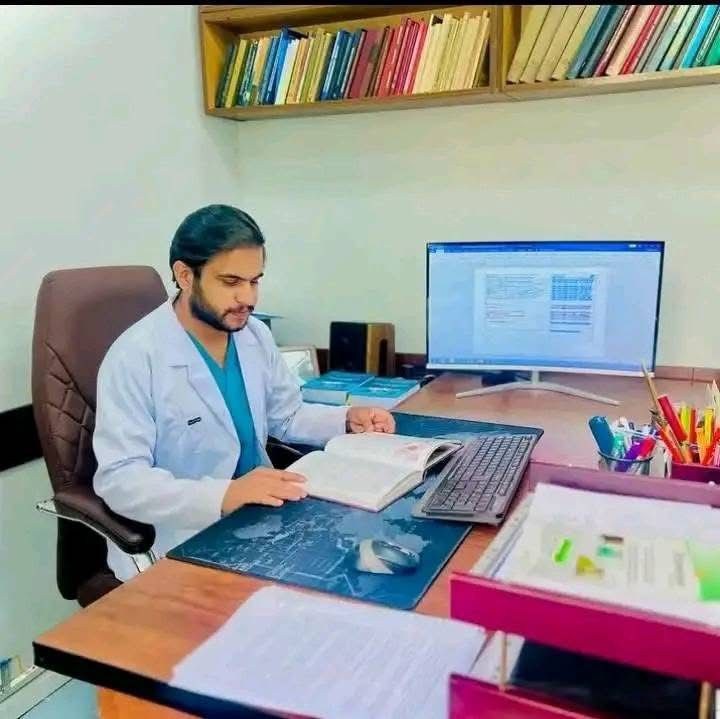
Doctors, nurses, pharmacists and allied health professionals need to be classified and registered with the Saudi Commission for Health Specialties (SCFHS) before they can practise in Saudi Arabia. Almost the whole process now runs through the Mumaris Plus portal, which is efficient once you understand how its steps fit together.
Saudi Council Assistance is an independent private guidance service and is not affiliated with the SCFHS or any Saudi authority. Requirements, exam rules and fees change, so always confirm the current position on the official SCFHS channels before you apply or pay.
Classification and registration are two different steps
Many applicants assume one application covers everything. It doesn’t. Classification decides your professional title and level, for example specialist or consultant, based on your qualifications and experience. Registration is the step that allows you to practise under that title. Classification comes first, and the outcome shapes everything after it, so it is worth presenting your qualifications carefully.
Documents you will usually need
- Passport and, if you are in Saudi Arabia, your Iqama
- Basic medical or health degree certificate and transcript
- Postgraduate qualifications, such as fellowships, board certificates or master’s degrees
- Current professional licence from your home country, and any other licences you hold
- Experience certificates showing your title, department and dates
- Good standing certificate from your licensing body, where requested
Check that your name matches across every document. Differences in spelling or order of names are one of the most frequent reasons files are paused during verification.
The typical journey
- Create your Mumaris Plus account with details that match your passport.
- Submit your qualifications and experience for classification, choosing the profession that matches your training.
- Complete primary source verification. Your degrees, licences and experience are confirmed directly with the issuing institutions. This is often the slowest step.
- Sit the licensing exam if required. Many professions and levels need the SCFHS exam; some applicants are exempt depending on their qualification and where they trained.
- Receive your classification and review it carefully before moving on.
- Complete registration so you can practise, usually linked to your employer in Saudi Arabia.
How long it takes
Timelines vary more than most applicants expect. Account creation and document upload take a day or two if your paperwork is ready. Primary source verification can take anywhere from a couple of weeks to several months, depending on how many institutions are involved and how quickly each one replies. Exam dates, classification review and registration add more time on top. If you are relocating for a job, share a realistic timeline with your employer and recruiter, and start verification before you resign from your current role if you can.
Working with your employer and recruiter
Hospitals and recruiters often handle part of the process for you, such as paying fees or linking your registration to the facility. Confirm in writing who is doing what. The documents themselves are always your responsibility: you are the one who can obtain transcripts, licences and good standing certificates from your home country, and these requests are best started early because some institutions take weeks to respond.
Preparing for the licensing exam
If the exam applies to you, book it early, because seats can fill up. Use the official exam blueprint for your specialty as your study plan, and focus on clinical scenarios rather than memorising facts. Check the rules on attempts and waiting periods so a failed attempt doesn’t surprise you.
Why Mumaris Plus applications get rejected
- Incomplete or unclear scans, especially of transcripts and licences
- Experience certificates without dates, titles or official stamps
- A profession or specialty selected that doesn’t match the qualification
- Primary source verification that stalls because an institution hasn’t replied
- Name differences between documents that haven’t been explained
If your application is returned or rejected
Read the reason in the portal word for word. Most returns ask for something specific, such as a clearer document or an extra certificate. Fix exactly that, and keep a note of what you changed. If you disagree with a classification outcome, use the official objection route rather than submitting a fresh application, which can restart the clock.
Renewing your registration
Registration has to be renewed periodically, and renewal normally requires proof of continuing professional development (CPD) hours. Keep certificates from conferences, courses and workshops as you earn them. Renew before your registration expires, because practising without a valid registration can affect your job and your Iqama.
Quick checklist before you submit
- Same name spelling on every document
- Profession and specialty chosen to match your qualification
- All licences, current and previous, uploaded
- Experience certificates with dates, titles and stamps
- Exam requirement checked for your profile
Frequently asked questions
What is the difference between SCFHS classification and registration?
Classification decides your professional title and level based on your qualifications and experience. Registration is the licence-related step that lets you practise under that title. You normally need classification first.
Does SCFHS verify my certificates?
Yes. Your qualifications, licences and experience are verified at the source, usually through a primary source verification provider. You give consent and pay for this through the process.
Do I have to pass an exam?
Many professions and levels require the SCFHS licensing exam, while some applicants are exempt depending on their qualification and country of training. The Mumaris Plus portal shows what applies to your profile.
How often do I need to renew?
Registration has to be renewed periodically, and renewal usually requires proof of continuing professional development hours. Track your CPD as you go rather than collecting it at the last minute.
Related guides
- Mosadaqa certificate verification: a practical guide
- SOCPA membership for accountants in Saudi Arabia
Need help with your SCFHS application?
We assess your profile first, prepare your documents for classification and verification, and help you respond to any returns. See our SCFHS and Mumaris Plus support or contact us on WhatsApp.