Saudi Council of Engineers (SCE) Registration: What Expat Engineers Need to Know
Updated November 2, 2026
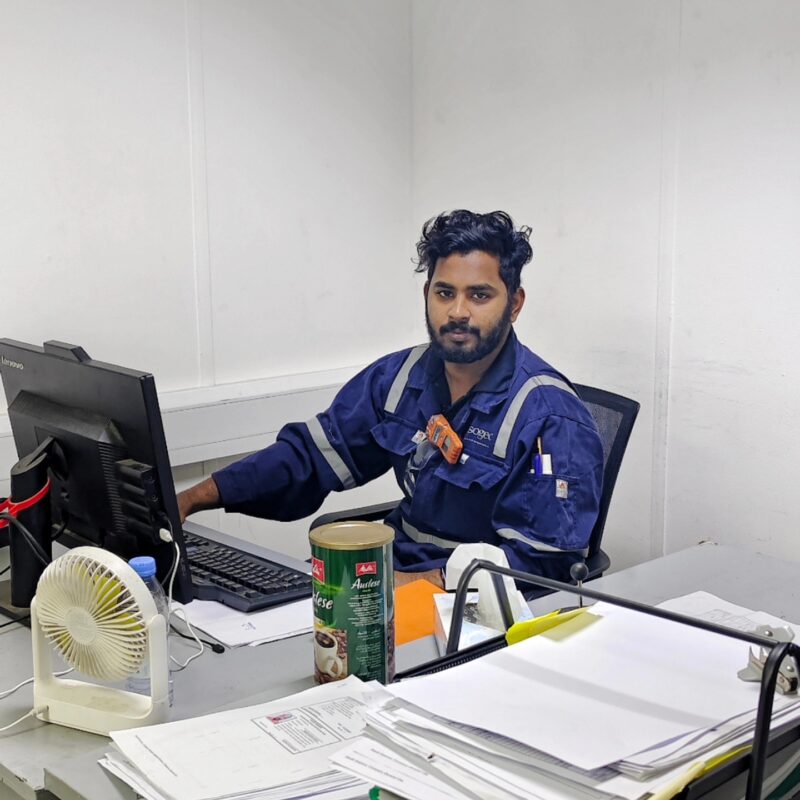
Engineers and engineering technicians working in Saudi Arabia need to be accredited by the Saudi Council of Engineers (SCE). Your accreditation affects your work visa, the profession shown on your Iqama and often your salary grade, so it pays to get the application right the first time.
Saudi Council Assistance is an independent private guidance service and is not affiliated with the SCE or any Saudi authority. Requirements and fees change, so always confirm the current rules on the official SCE portal before you apply or pay.
Who needs SCE accreditation?
Anyone practising engineering in the Kingdom, whether Saudi or expatriate, is expected to hold valid SCE accreditation. In practice that includes:
- engineers arriving on a new work visa with an engineering profession;
- engineers changing employer, or changing the profession on their Iqama;
- technicians whose roles require professional registration;
- engineers whose accreditation has expired and who need it renewed before their Iqama can be renewed.
The profession on your Iqama and your SCE record need to match. A mismatch between the two is one of the most common reasons people get stuck, so if your employer is about to issue or change your visa, ask which profession they plan to use before you begin.
Documents you will usually need
- Passport and, if you are already in Saudi Arabia, your Iqama
- Engineering degree certificate and full transcript, scanned clearly in colour
- Degree verification, which the SCE increasingly handles through its electronic link with the Mosadaqa platform
- Experience letters on company letterhead showing your job title, dates and responsibilities
- Membership of an engineering body in your home country, where applicable
- A recent personal photo that meets the portal’s specifications
Before uploading anything, check that your name is spelled the same way on your passport, degree and experience letters. Small differences, such as a missing middle name, are a frequent cause of returned applications. If a document is not in English or Arabic, expect to be asked for a certified translation.
Professional grades and why they matter
The SCE classifies members into professional grades based on their qualification and years of relevant experience, from early-career levels up to senior and consultant levels. Technicians have a separate grade ladder. Your grade affects the work you can take responsibility for and can influence how employers place you.
Your grade is only as strong as your evidence. Vague experience letters that list dates but not duties often lead to a lower grade than your real experience deserves. Letters that describe projects, responsibilities and the engineering discipline involved give the reviewer what they need.
The registration journey, step by step
- Create or access your SCE portal account. Use exactly the personal details shown on your passport and Iqama.
- Enter your personal, academic and professional details. Choose the specialisation that matches your degree, not just your current job title.
- Complete degree verification. This step usually takes the longest, because it depends on how quickly your university confirms your degree.
- Upload your experience evidence. Add every letter that supports the grade you are applying for.
- Complete any professional assessment. Depending on your specialisation and grade, the SCE may ask you to sit a professional exam or attend an interview.
- Pay the fees and download your membership. Once your application is approved, pay the fee shown on the portal and download your membership certificate.
Common problems and how to avoid them
Degree verification delays
Some universities answer verification requests within days, others take months. Contact your university’s registrar in advance, make sure your consent forms are complete and keep copies of everything you submit.
Specialisation mismatch
If your degree is in one discipline but your job is in another, the SCE classifies you by your degree. Plan your application, and your employer’s visa request, around that.
Weak experience letters
Letters without job descriptions, signatures or company stamps are often rejected or lead to a lower grade. Ask former employers for detailed letters early, because they can take time to arrange.
Returned or rejected applications
Read the stated reason carefully and fix exactly that before resubmitting. Starting a new application without addressing the reason usually produces the same result.
Renewals and upgrades
SCE membership must be renewed periodically. Renew before it expires: an expired accreditation can hold up your Iqama renewal and delay other government processes. When you have built up enough documented experience, you can apply to upgrade to a higher grade with updated experience letters.
What your employer handles, and what you handle
Responsibility is usually shared. Your employer controls the visa and the profession on your Iqama, and in many companies HR also pays the SCE fees. You are responsible for your own documents: your degree, transcript, verification consents and experience letters from previous employers. Agree early who will create the portal account, who pays, and who will answer questions from the SCE, so requests don’t sit unanswered.
If you are changing jobs, tell your new employer about your current SCE status at the offer stage. A valid accreditation in the right specialisation makes the transfer far smoother than starting from scratch after you arrive.
Quick checklist before you submit
- Name spelled identically on every document
- Specialisation chosen to match your degree
- Degree verification started, with consent forms complete
- Detailed, signed and stamped experience letters
- Iqama profession confirmed with your employer
Frequently asked questions
How long does SCE registration take?
It depends mostly on degree verification. When the university responds quickly, the whole process can be finished in a few weeks. Slow verifications can stretch it to several months, so start as early as you can.
Can I start work while my SCE application is in progress?
That depends on your employer and your visa status. Many employers will not finalise the visa or the profession on your Iqama until accreditation is in place, so check with your HR team before you start.
Do engineering technicians need SCE accreditation too?
Many technician roles do. Technicians are classified on their own grade ladder, based on their qualification and experience.
What if my university has closed or merged?
Verification is often still possible through the successor institution or the education authority in your home country, but it takes longer. Keep any official letters about the closure or merger and start early.
Related guides
- Mosadaqa certificate verification: a practical guide
- Aramco CBT and inspector approval: how the process works
Need help with your SCE application?
We review your documents and your case first, then prepare a clear file for submission and follow it through to approval. See our SCE membership support or contact us on WhatsApp.